Meta Analysis Workshop
Unlock the power of synthesizing research findings!
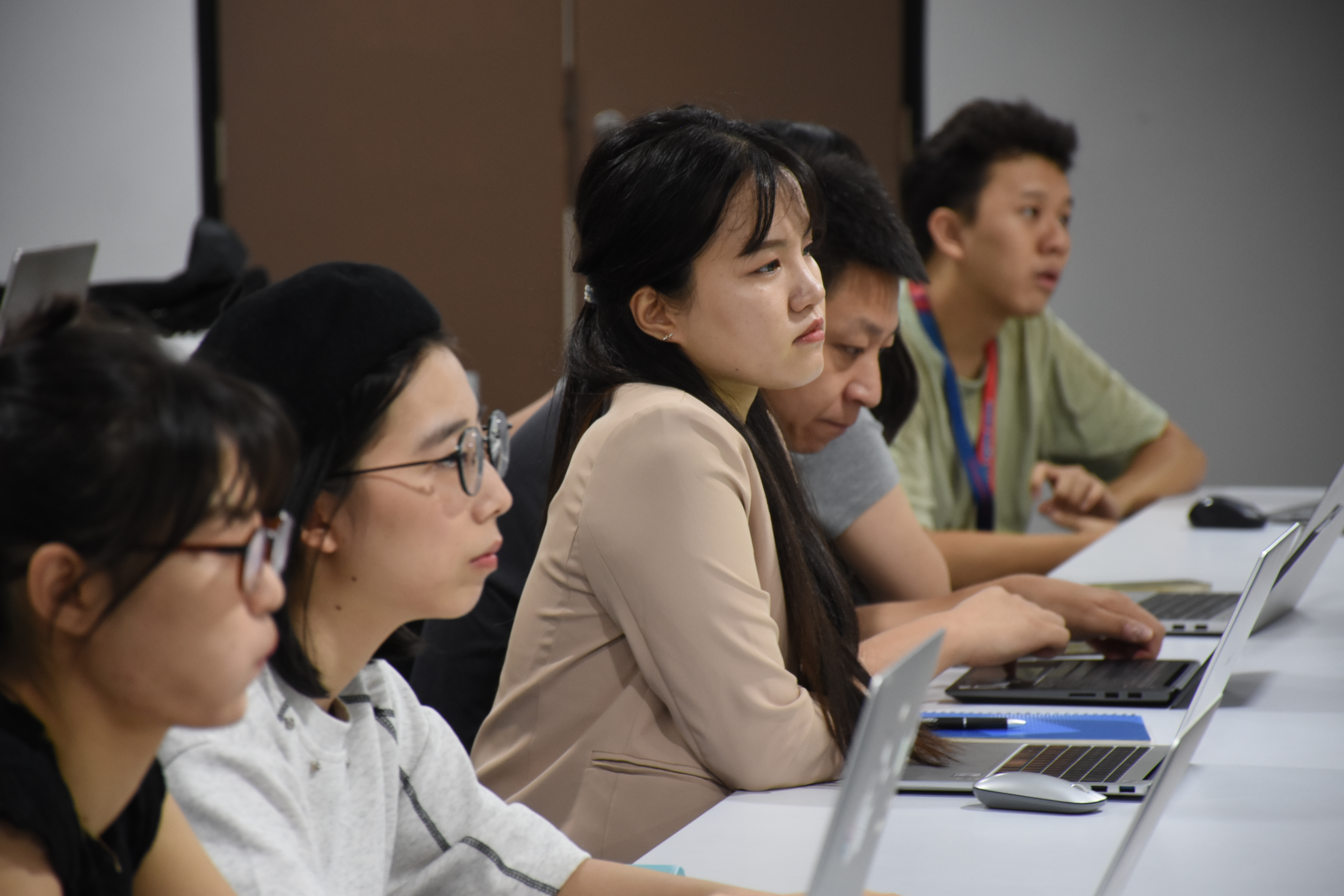
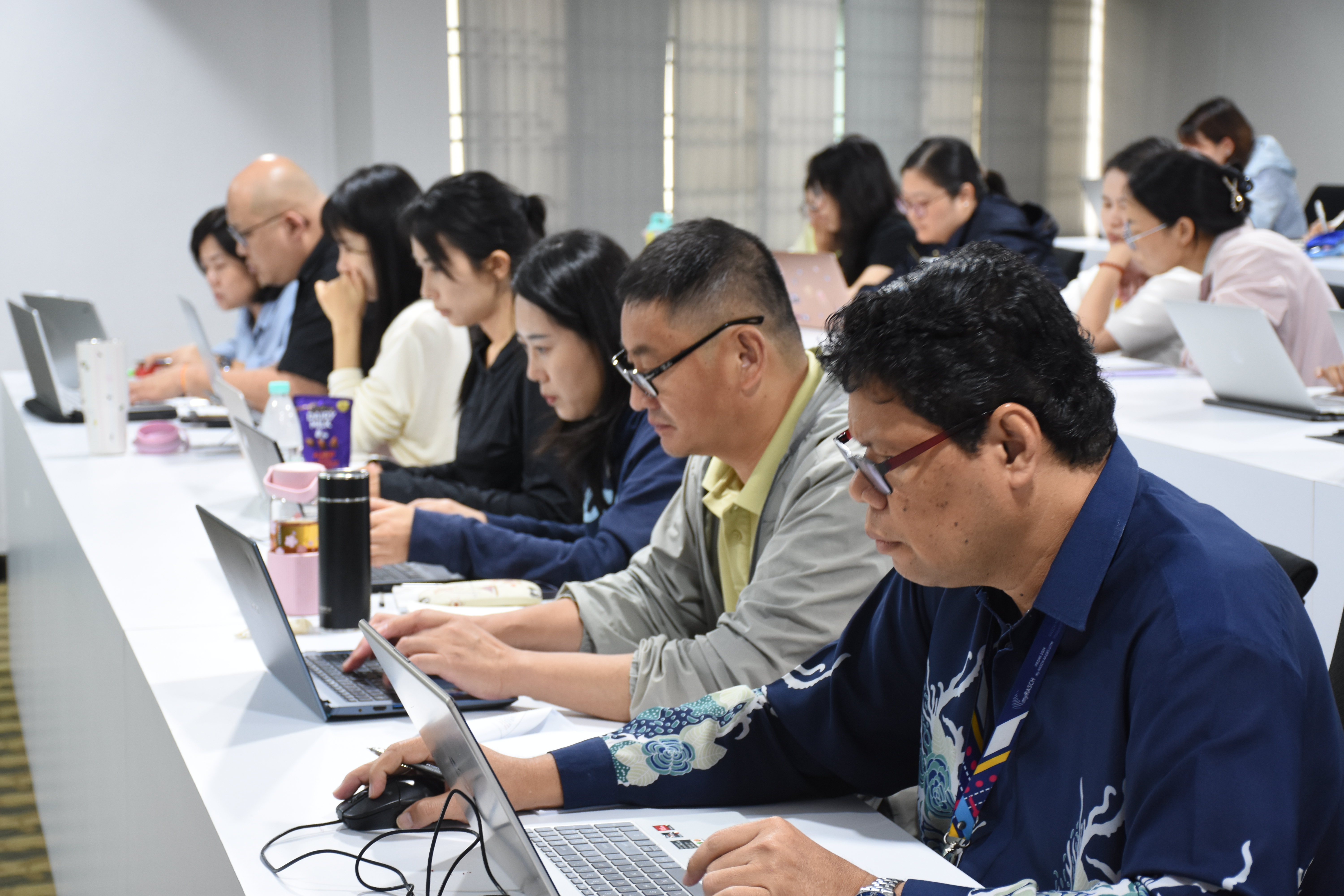
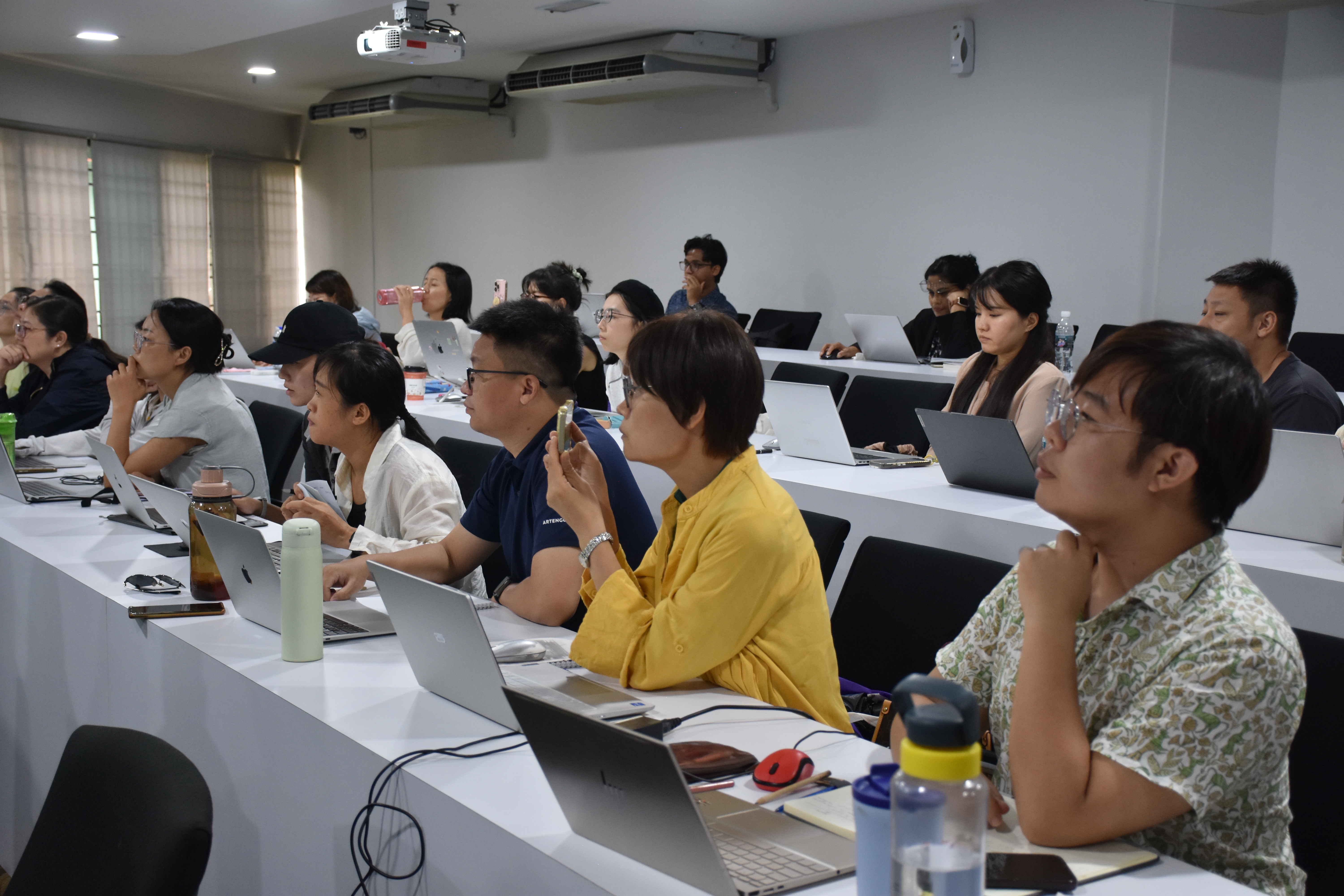
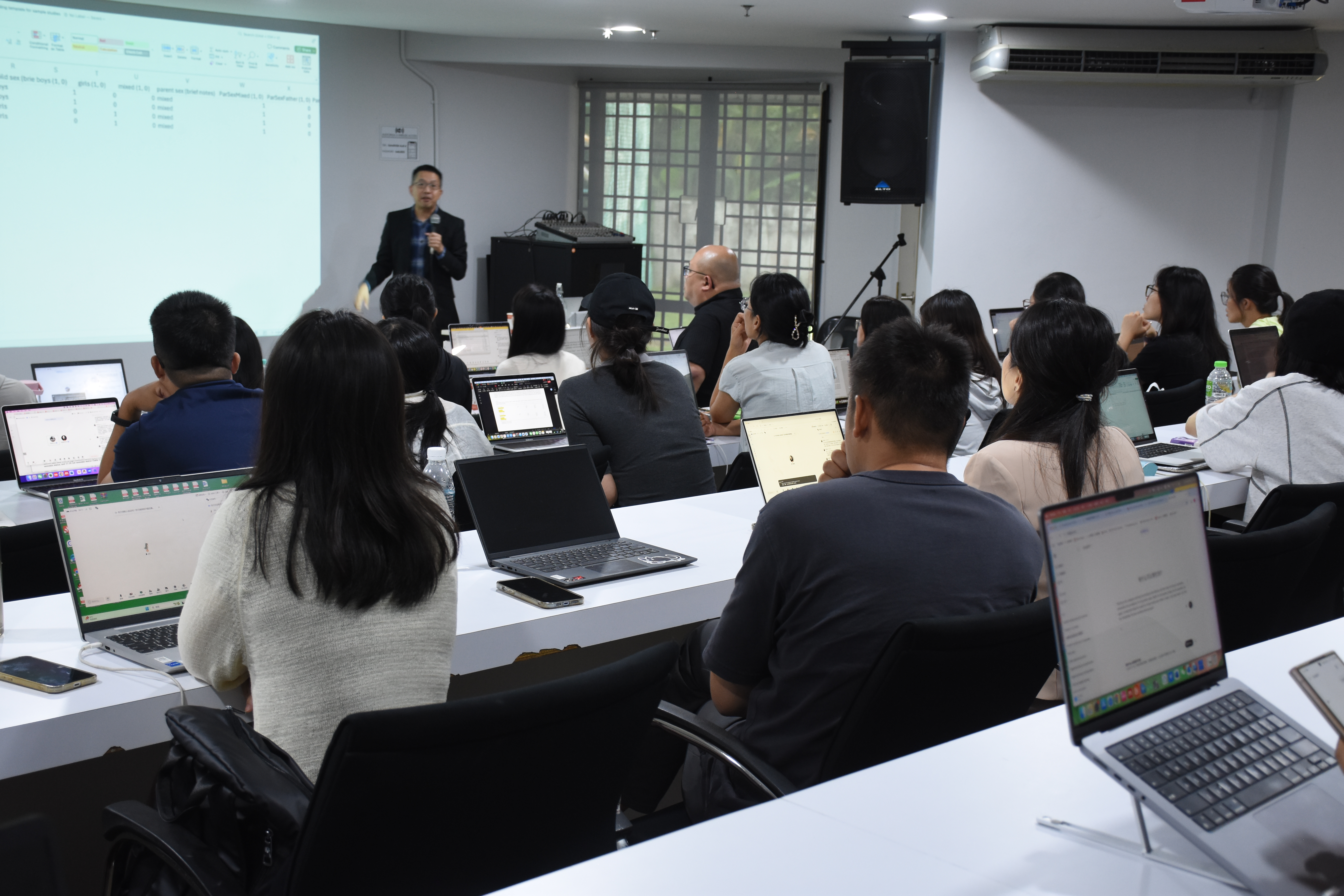
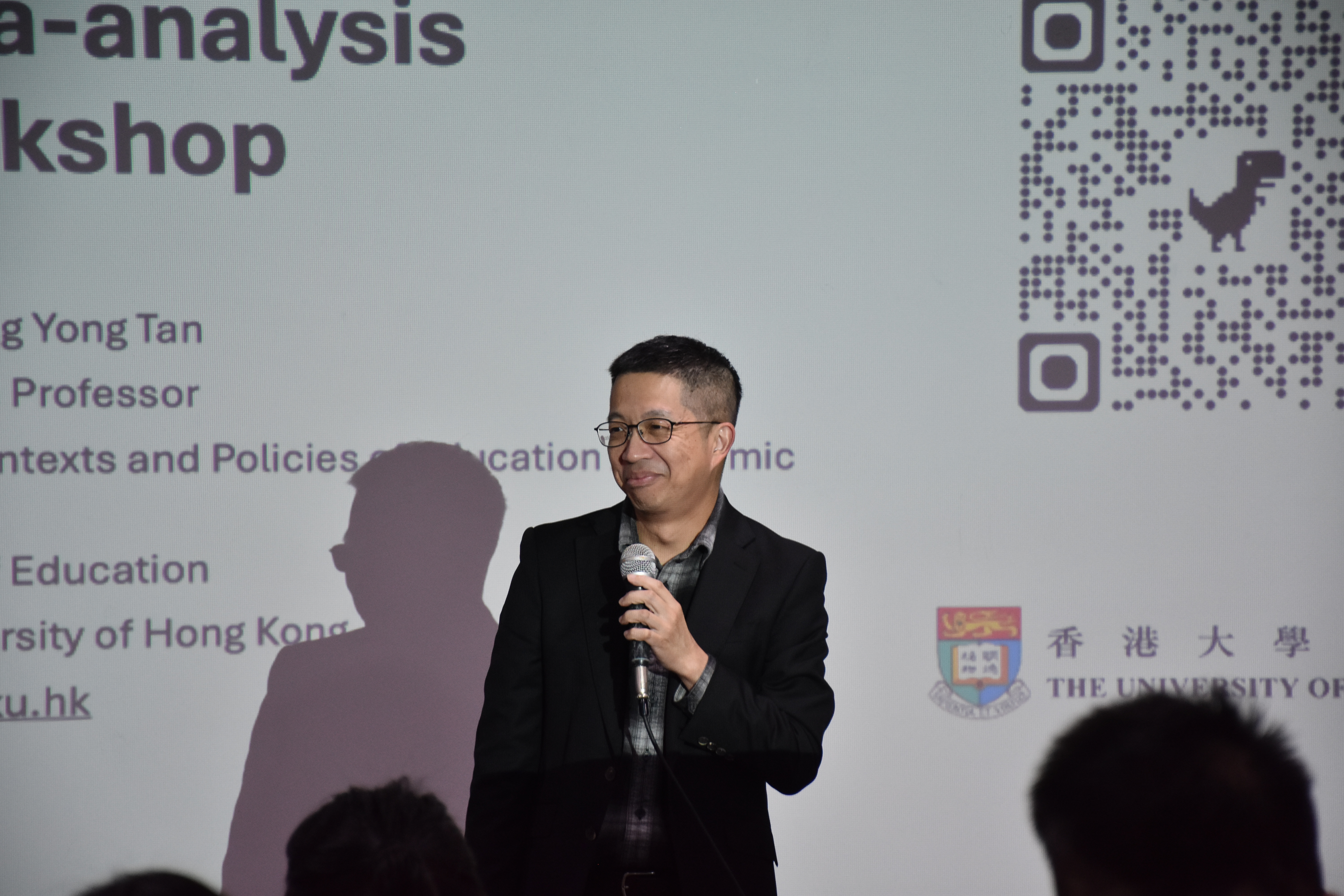
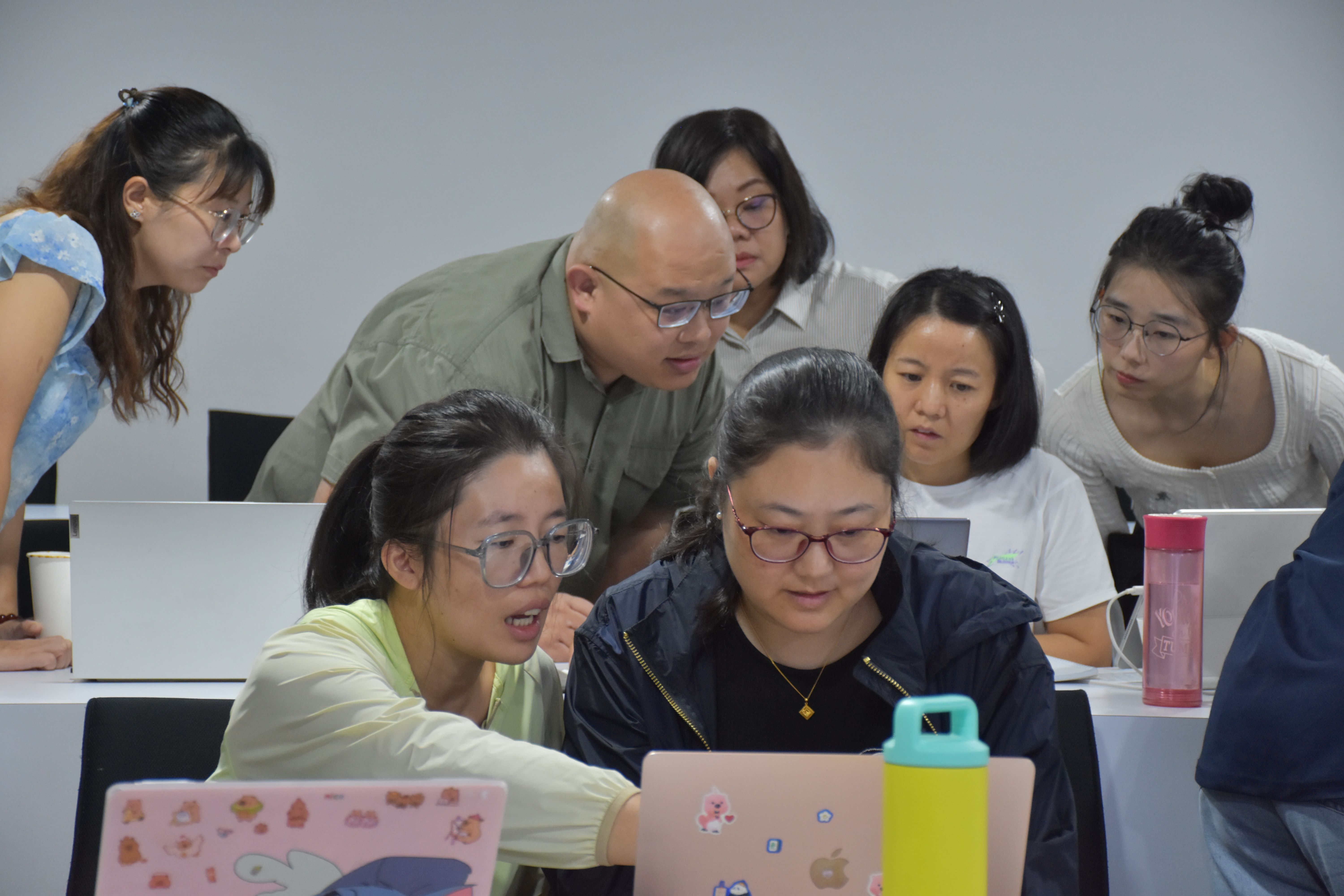
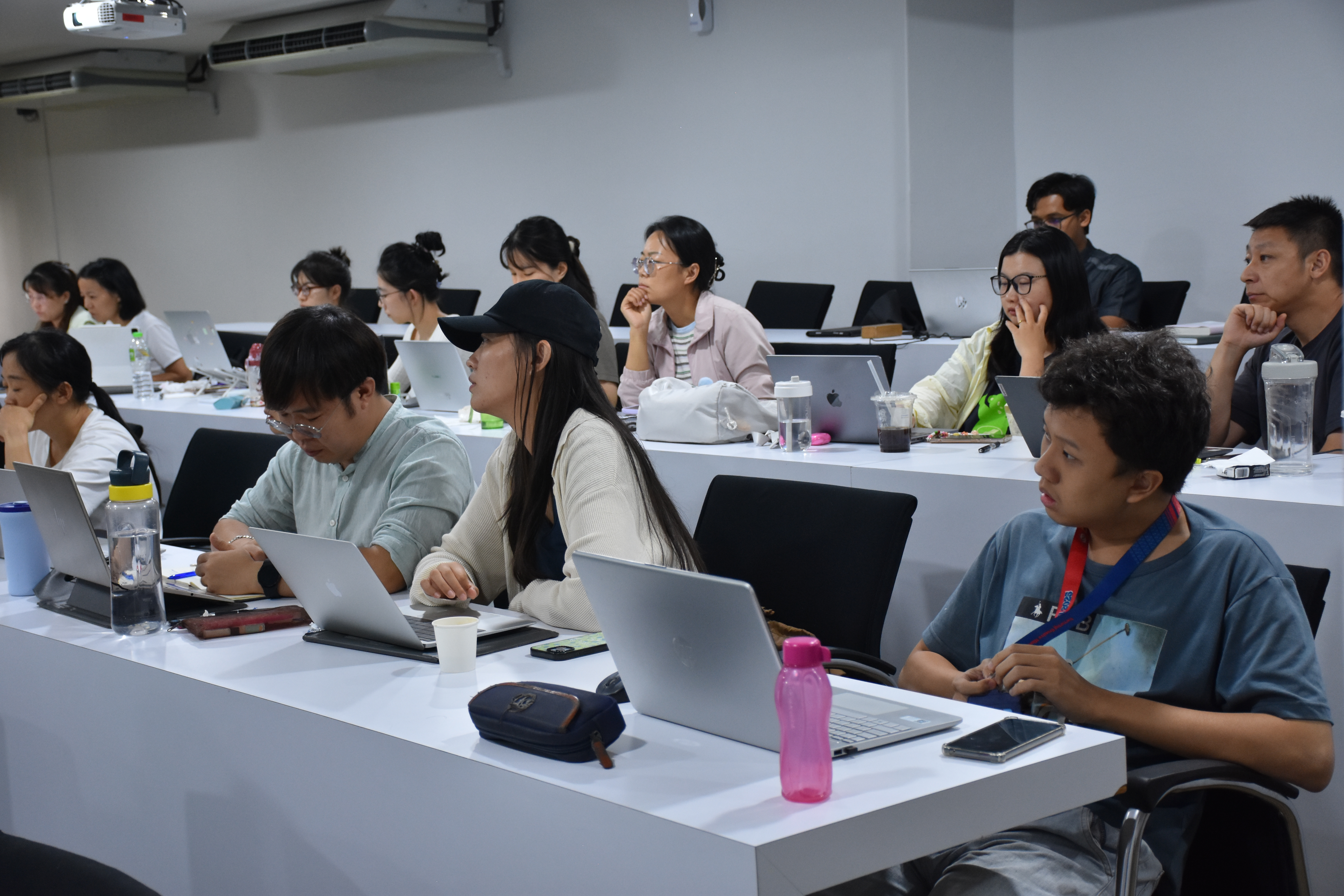
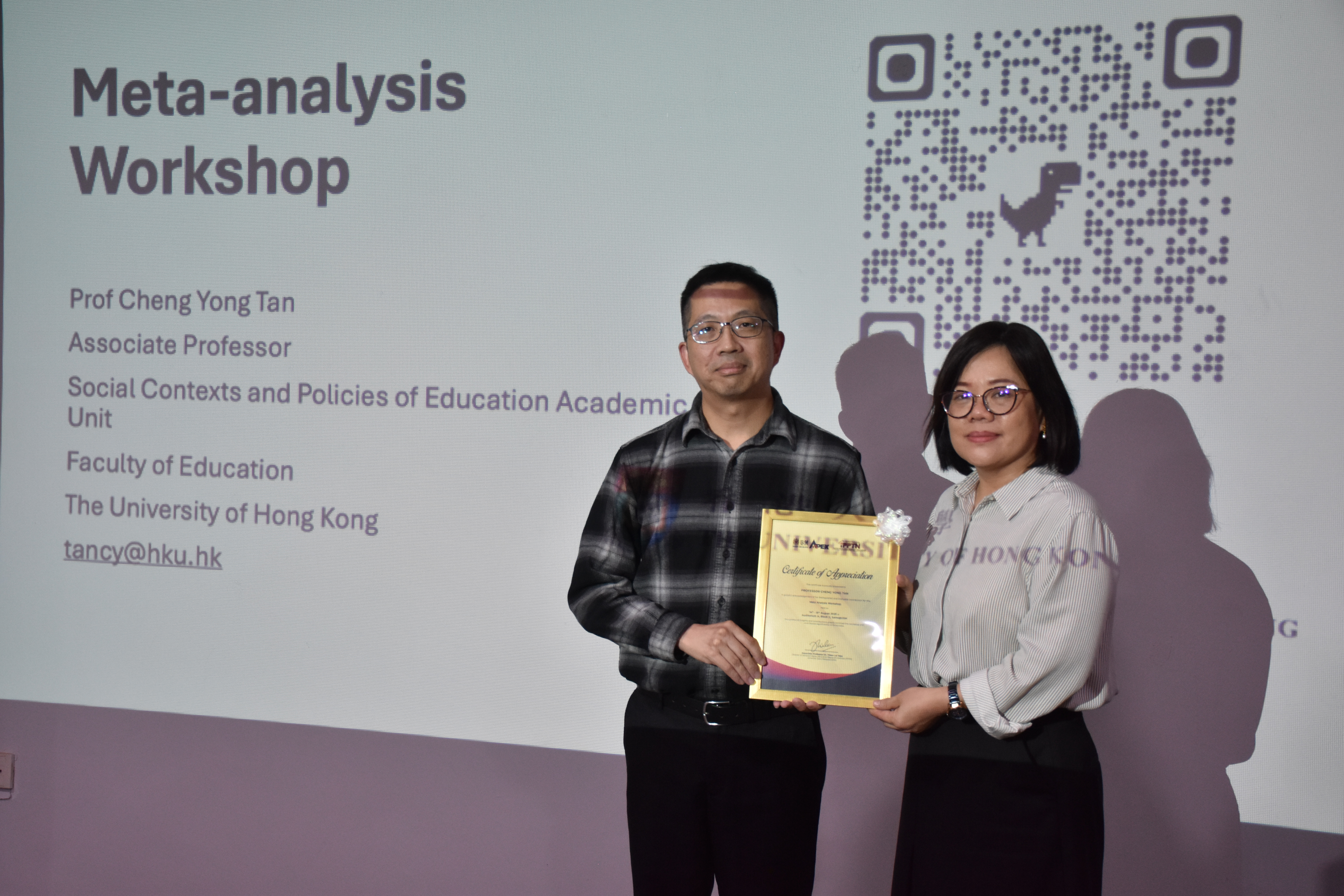
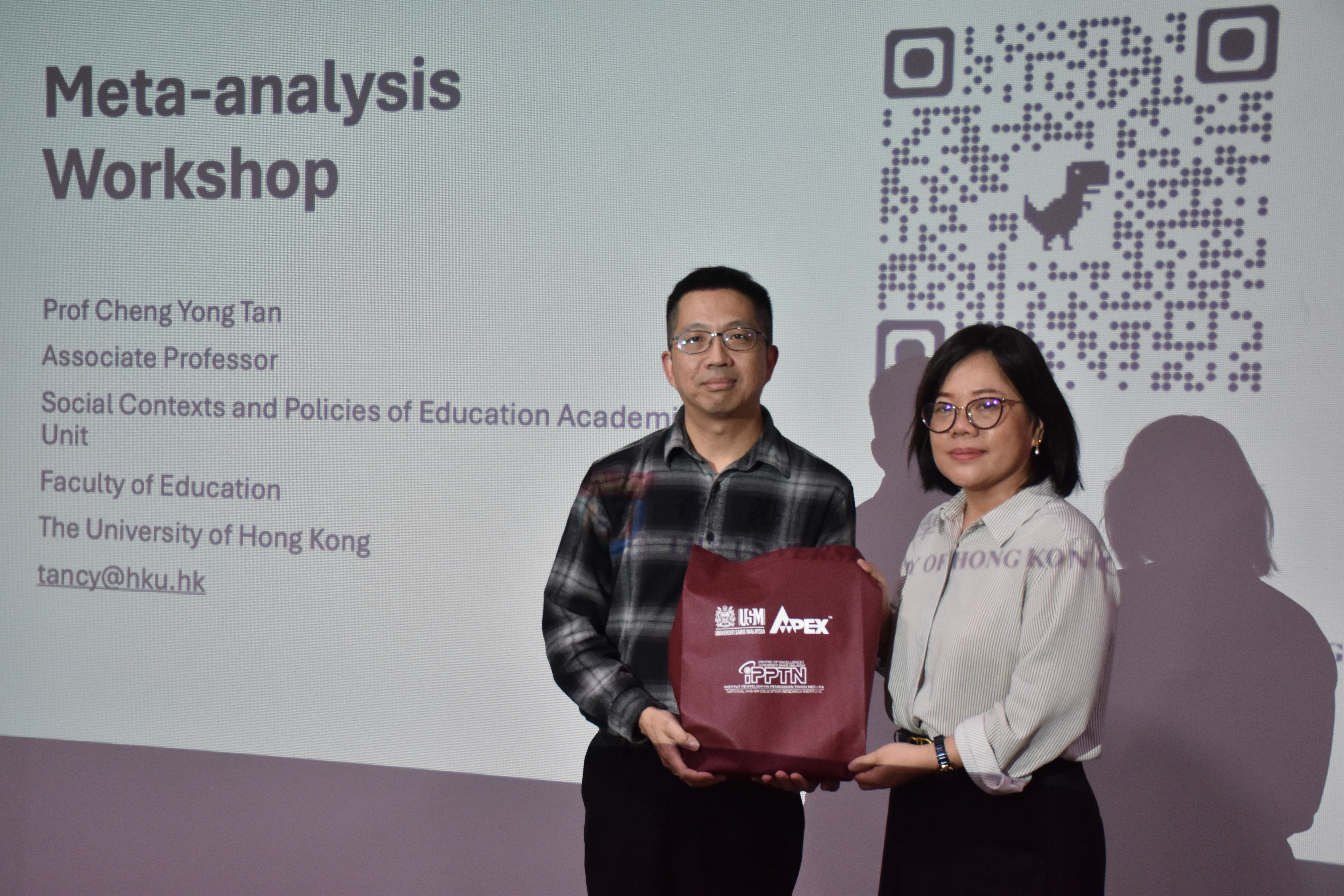
A Meta Analysis workshop was held from 14–15 August 2025 at IPPTN USM’s Auditorium A, successfully. This workshop brought together academics and students for two days of intensive learning and hands-on practice. This workshop was led by Professor Cheng Yong Tan from The University of Hong Kong (HKU) who is an Associate Professor with Faculty of Education with HKU. He guided participants through the process of conducting a three-level meta-analysis in educational research. The workshop combined informative lectures with hands-on activities, enabling participants to work both individually and collaboratively to carry out the key stages of meta-analysis. These included study identification and selection, coding data from multiple sources, computing effect sizes, performing moderator analysis, and presenting findings using PRISMA diagrams, figures, and tables. The practical exercises allowed attendees to directly apply the concepts learned, ensuring they left with not only theoretical understanding but also the confidence to implement meta-analysis in their own research projects.
In addition to the technical skills, Professor Tan also addressed advanced methodological issues, guiding participants on how to critically appraise existing studies, manage data quality, and interpret complex results. Many participants expressed that the workshop had boosted their ability to produce publishable, high-quality meta-analytic studies and provided them with tools to contribute more meaningfully to the academic community. Overall, the workshop was a resounding success, fostering an environment of collaboration, learning, and research excellence. Participants left with enhanced analytical capabilities and a deeper understanding of evidence synthesis, making the event a significant step toward fostering research excellence at USM. The knowledge gained will undoubtedly inspire future research endeavors and enhance the rigor of evidence-based practice within the field.